Why Plastic Roads Matter
Featured Story
Featured Story
Vietnam is one of the world’s largest generators of plastic waste. In cities like Hanoi and Ho Chi Minh City, an estimated 80 metric tons of plastic enter the environment as litter every single day. Instead of letting that plastic waste end up in landfills or waterways, DEEP C’s road project proves it can be transformed into a valuable resource.
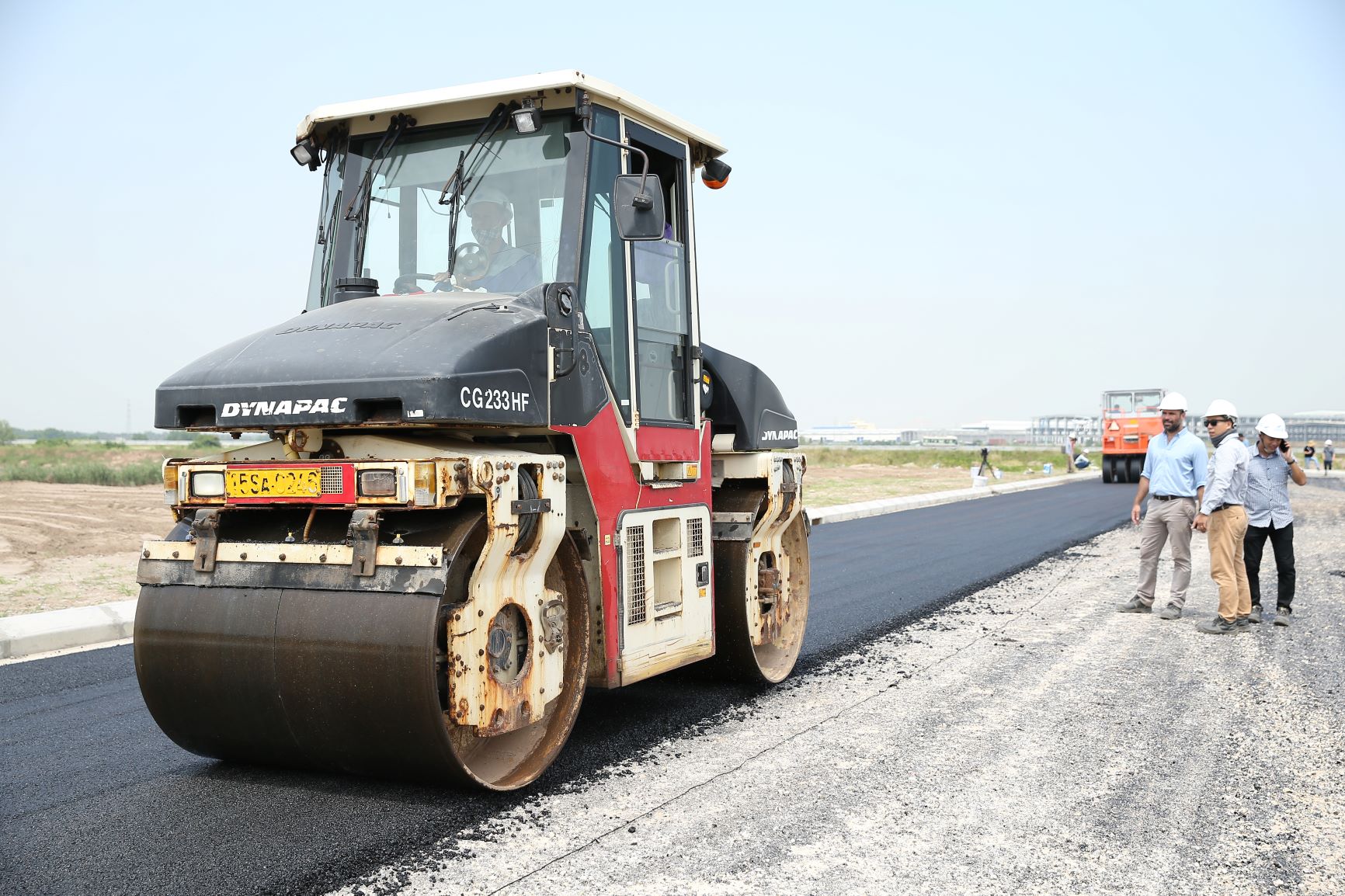
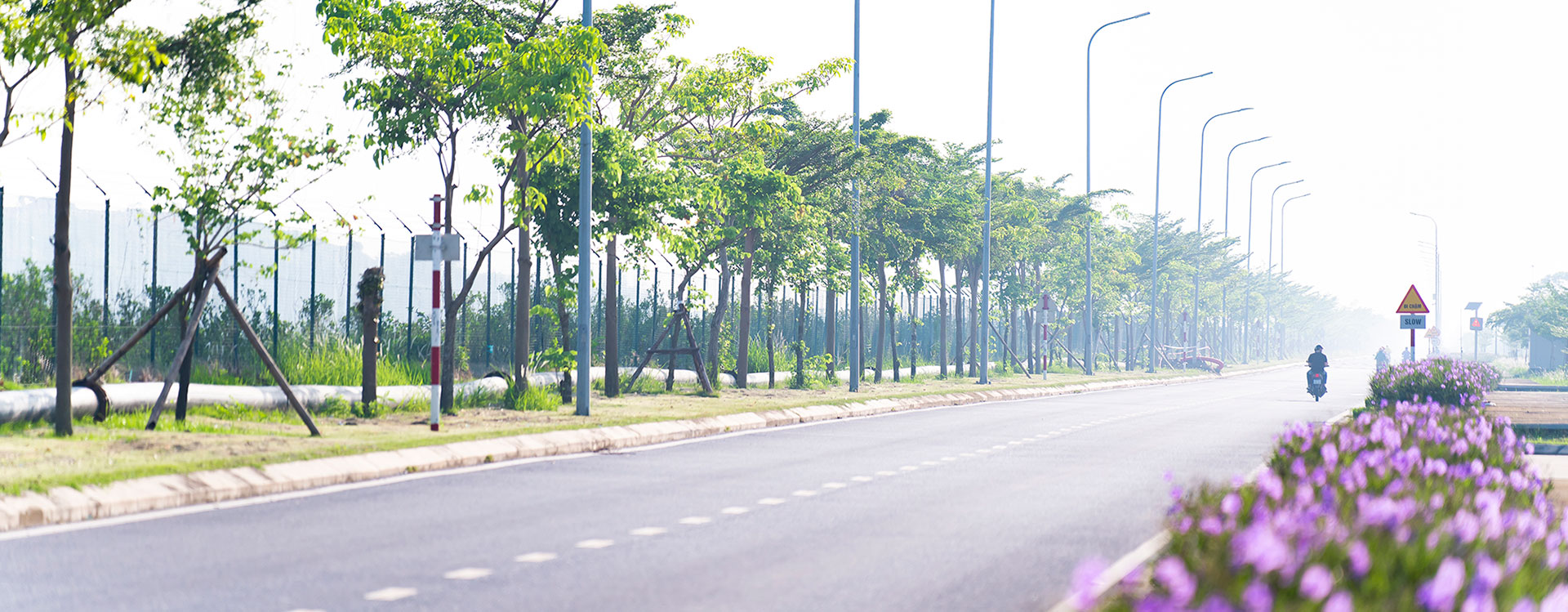
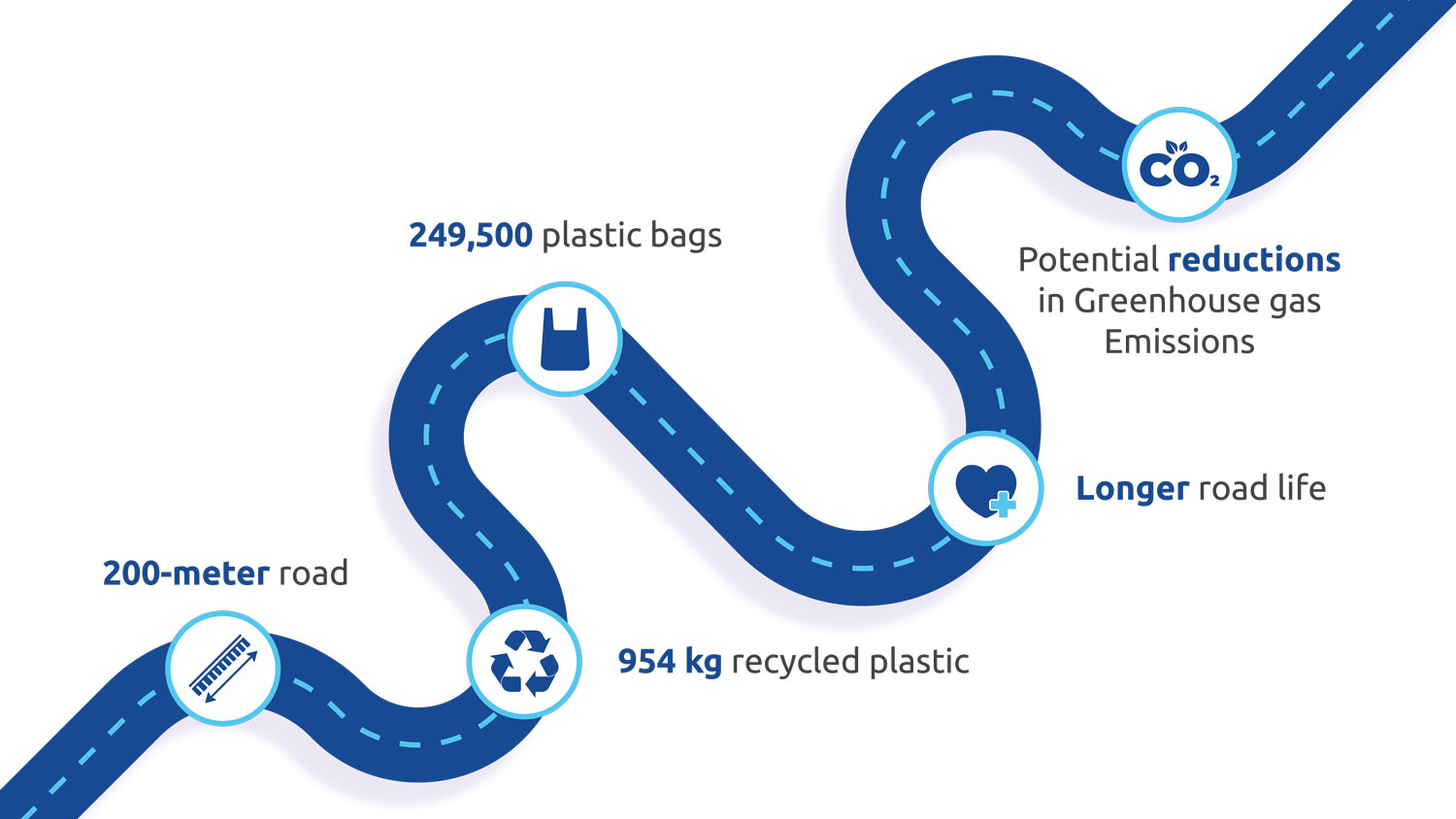
DEEP C’s collaboration with Dow Chemical in 2019 marked a significant milestone as we introduced the first plastic-enhanced road in Vietnam. This initiative, which involved creating asphalt roads using recycled plastic, is set to expand across DEEP C Industrial Zones, serving as an innovative strategy to combat plastic waste and promote a circular economy in the country.
The project not only showcased the potential for plastic waste to be repurposed as a valuable resource but also aimed to reduce litter and landfill waste by utilizing postconsumer flexible packaging, like polyethylene film, for road construction. After being cleaned, dried, and shredded, the plastic is heated to 150–180°C and mixed with asphalt. At these temperatures, it melts completely and bonds with the asphalt, creating stronger, longer-lasting roads, while having the potential to decrease greenhouse gas emissions by replacing a portion of the required bitumen.
Before construction, two laboratory tests conducted by Vietnam Maritime University confirmed that the plastic asphalt mix met Vietnamese technical and safety standards.
The project’s collaborative nature involved local authorities, waste collectors, and the plastic industry, working together to address plastic pollution and foster better end markets for plastic waste in Vietnam.